What are the uses and specifications of ferro silicon alloys?
2025-08-22
Introduction to ferro silicon Alloy: Definition and Overview
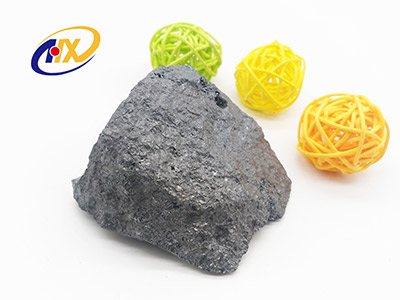
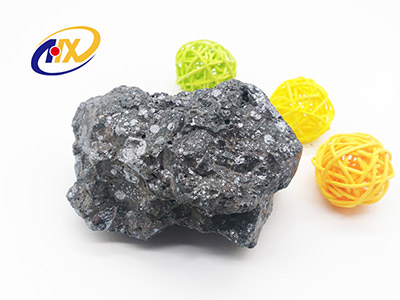
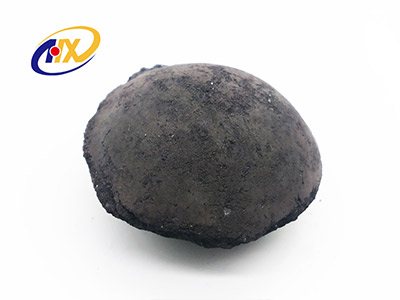
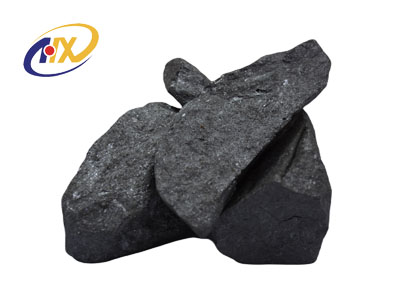
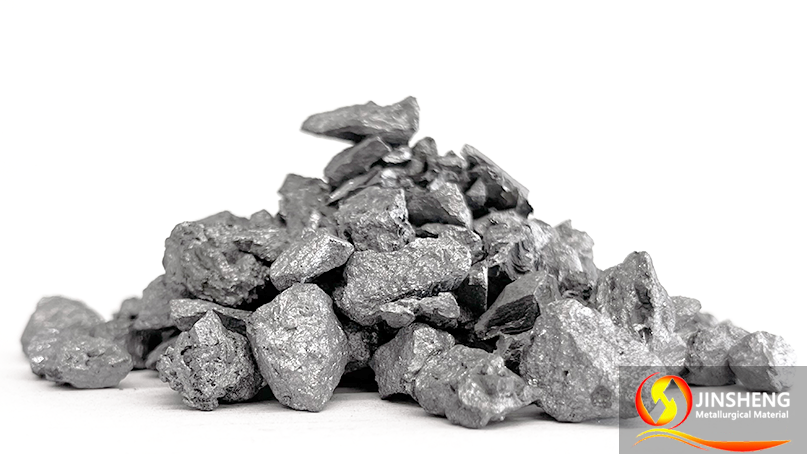
ferro silicon alloy is an alloy primarily composed of iron and silicon, with small amounts of other elements. Its production method typically involves the electric arc furnace process, where iron and silicon raw materials are melted together through related processes.
In industrial applications, ferro silicon alloy has a wide range of uses and is an indispensable material in the production processes of many industries.
What is Silicon-Iron?
Chemical Composition and Types
The primary components of silicon-iron alloy are iron and silicon, with small amounts of other elements. It comes in various types, such as standard silicon-iron, low-carbon silicon-iron, and high-carbon silicon-iron.
Manufacturing Process
The production of silicon-iron primarily uses the electric arc furnace method. In the electric arc furnace, raw materials react under high temperatures to form silicon-iron alloy.
Common grades
ferro silicon grades are typically classified based on silicon content, which generally ranges from 15% to 90%. Among these, ferro silicon with 75% silicon content (“FeSi75”) is one of the most popular grades, but silicon content can vary between 15% and 90% depending on the specific application.
What are the main applications of Silicon-Iron Alloy?
Silicon-Iron in Steel Production
Steel Alloying Agent
In steel production, silicon-iron serves as an important alloying agent. It effectively enhances the strength, hardness, and corrosion resistance of steel, thereby improving its performance to meet the requirements of various applications.
Deoxidation Function
Silicon-iron also plays a deoxidation role in steel production. It reacts with oxygen in molten steel to remove oxygen, preventing it from adversely affecting the properties of the steel.
ferro silicon in the Casting Industry
Applications in Cast Iron Production
Using ferro silicon in cast iron production offers numerous benefits, such as improving casting quality and machinability, making cast iron products more compliant with production and usage requirements.
Alloying with Other Metals
In foundries, ferro silicon can also serve as an alloying agent to alloy with other metals such as copper and aluminum, thereby altering their properties and expanding their application scope.
Ferro silicon in iron alloy production
ferro silicon can be used as raw material for producing other iron alloys, such as ferro-chromium, ferro-manganese, and ferro-vanadium, making it an important link in the iron alloy production chain.
Ferro silicon in silicon-based product production
In the manufacturing of products like silicone rubber and organosilicon, ferro silicon also plays a crucial role, providing essential raw material support for their production.
What are the specifications of silicon iron?
Chemical Specifications
Silicon Content
The silicon content of different ferro silicon alloys ranges from 15% to 90%, and this variation directly affects the performance and application scenarios of ferro silicon.
Other Elements in ferro silicon
ferro silicon also contains impurity elements such as carbon, aluminum, and sulfur, which can influence the alloy's performance and require control during production and use.
Physical Properties
Density, Melting Point
ferro silicon possesses specific physical properties such as density, melting point, and electrical conductivity, which serve as important reference criteria for its application in various industrial fields.
Impact of Silicon Content on Performance
Changes in silicon content affect the mechanical properties of ferro silicon, with different silicon contents resulting in distinct characteristics in terms of strength, hardness, and other properties.
These specifications ensure that ferro silicon alloys can meet the needs of multiple industries, such as steel manufacturing (as a deoxidizer), casting (as a inoculant), and alloy production, ensuring their stable performance and reactivity.
Standard Grades and Quality Control
Industry Standards
International standards such as ISO and ASTM regulate ferro silicon alloys, providing quality assurance for ferro silicon and ensuring compliance with relevant requirements.
Testing Methods
Quality control testing methods for ferro silicon alloys include common techniques such as chemical analysis and physical testing, which enable accurate assessment of the alloy's composition and performance.
Factors Affecting ferro silicon Alloy Quality
Raw Material Sources
The origin of raw materials such as iron and silicon can impact the quality of the final product. High-quality raw materials are the foundation for producing high-quality ferro silicon.
Production Process Differences
Different production methods or technologies can affect the consistency of ferro silicon. Advanced and stable production processes help ensure the stability of ferro silicon quality.
Advantages of Using ferro silicon Alloy
Cost-Effectiveness
In various industrial applications, using ferro silicon offers cost-effectiveness advantages, enabling reduced production costs while maintaining product quality.
Improved Material Properties
Ferro silicon can enhance material properties such as hardness, wear resistance, and corrosion resistance, enabling materials to perform more effectively during use.
How to Choose the Right ferro silicon for Your Needs
Factors to Consider When Selecting ferro silicon Grades
When selecting ferro silicon grades, it is essential to consider specific industrial requirements, such as whether it will be used in steel production or casting, to determine the appropriate grade.
Factors to Consider When Selecting Suppliers
When choosing suppliers, it is important to evaluate their quality assurance systems, pricing, and delivery times to ensure the timely supply of high-quality products.
Conclusion
In summary, ferro silicon has a wide range of applications and plays a crucial role in various industries. Its diverse properties and specifications enable it to meet different industrial needs, providing strong support for smooth industrial production.



.jpg)